 |
|
 |
|
 |
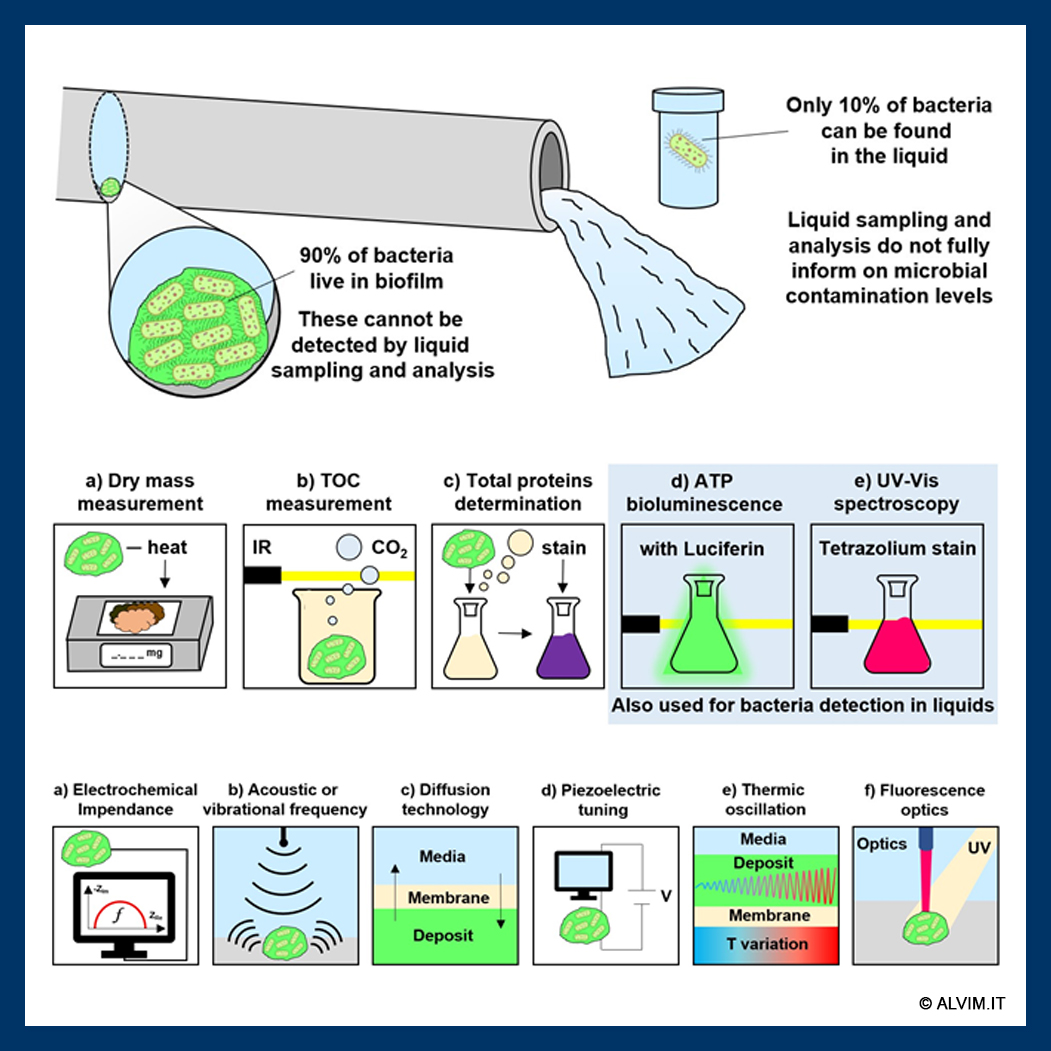
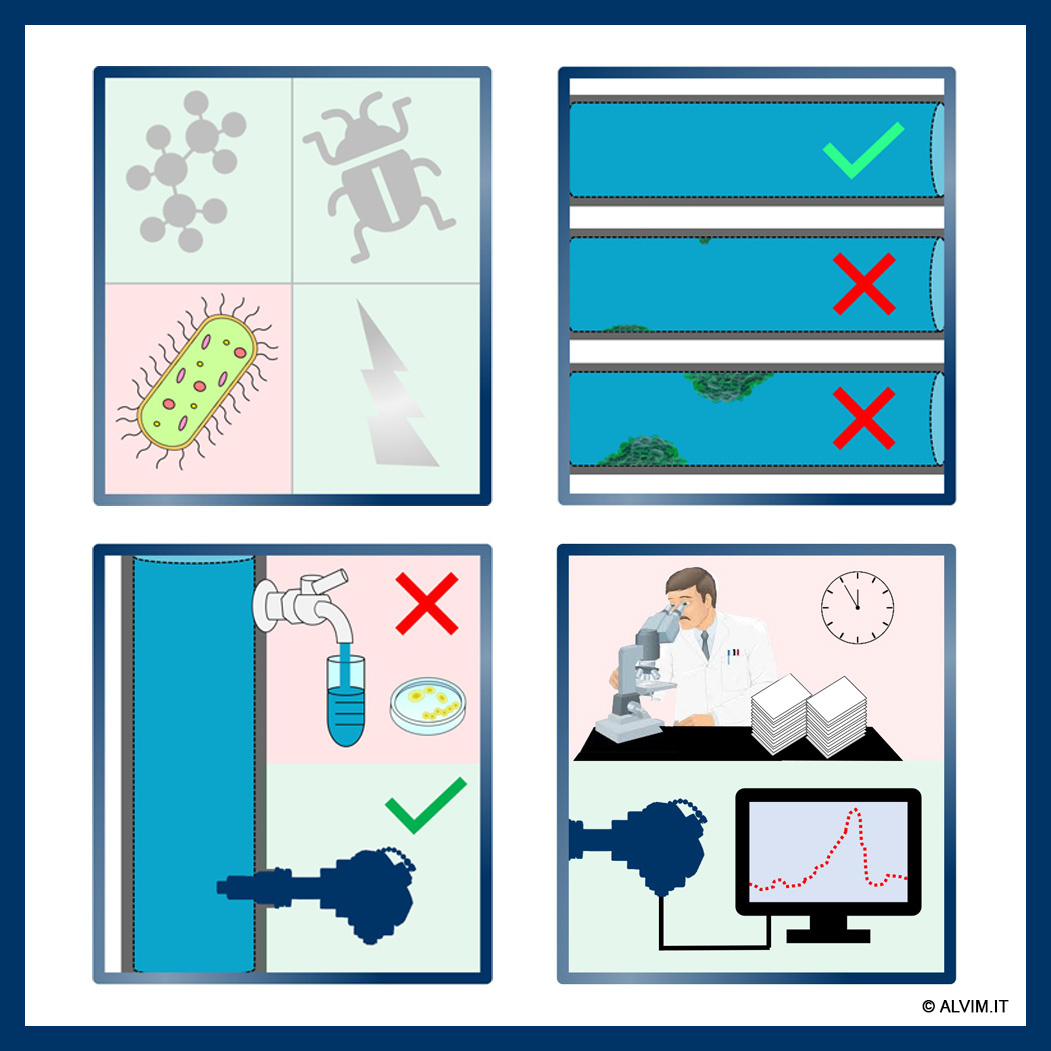
| Bacteria Detection: biofilms on surfaces evade traditional monitoring, causing corrosion and inefficiency; real-time electrochemical sensors enable early detection, improving cleaning and system performance. |
|
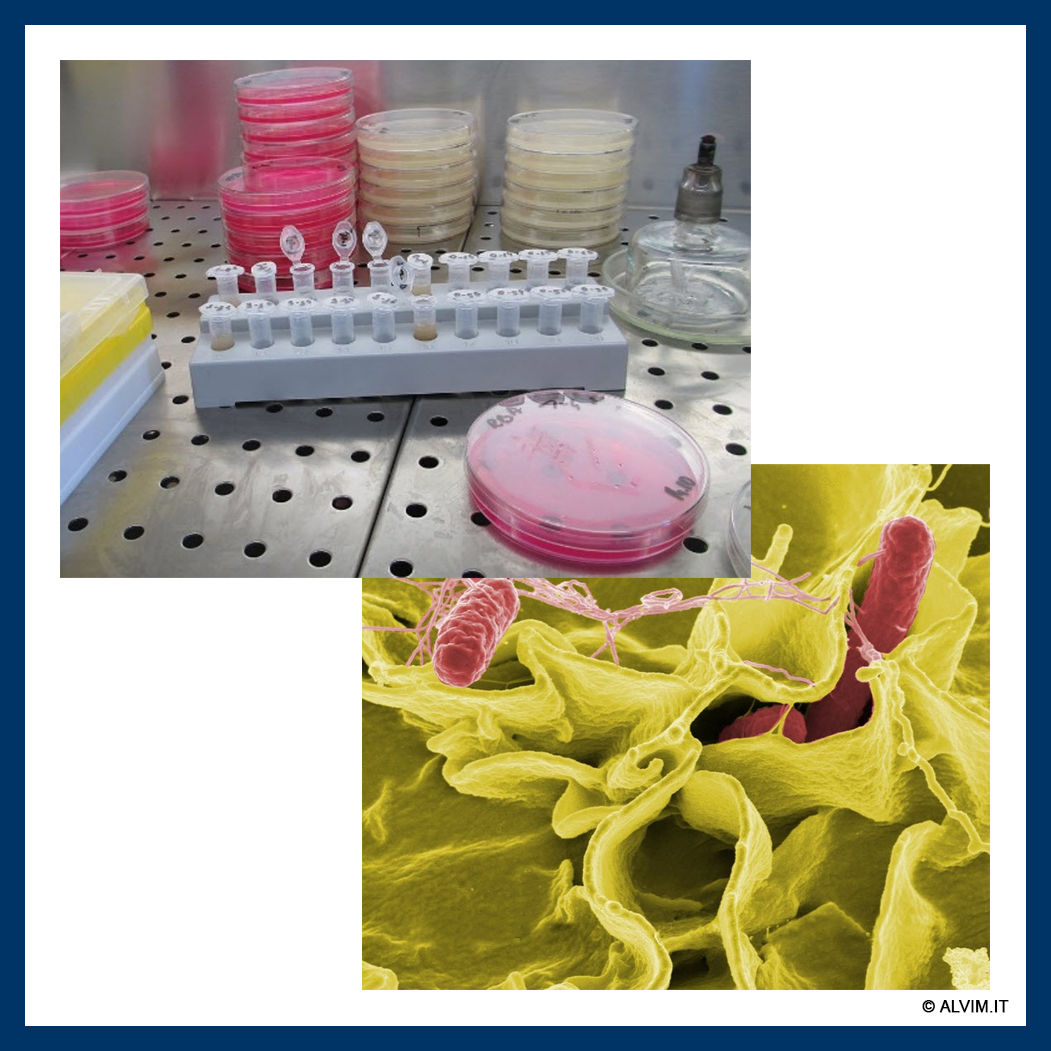
Bacterial contamination in Food & Beverage: accurate methods for the early detection of bacterial growth are necessary, to evaluate the need and effectiveness of sanitation treatments, to avoid contamination, and to ensure food safety. |
|
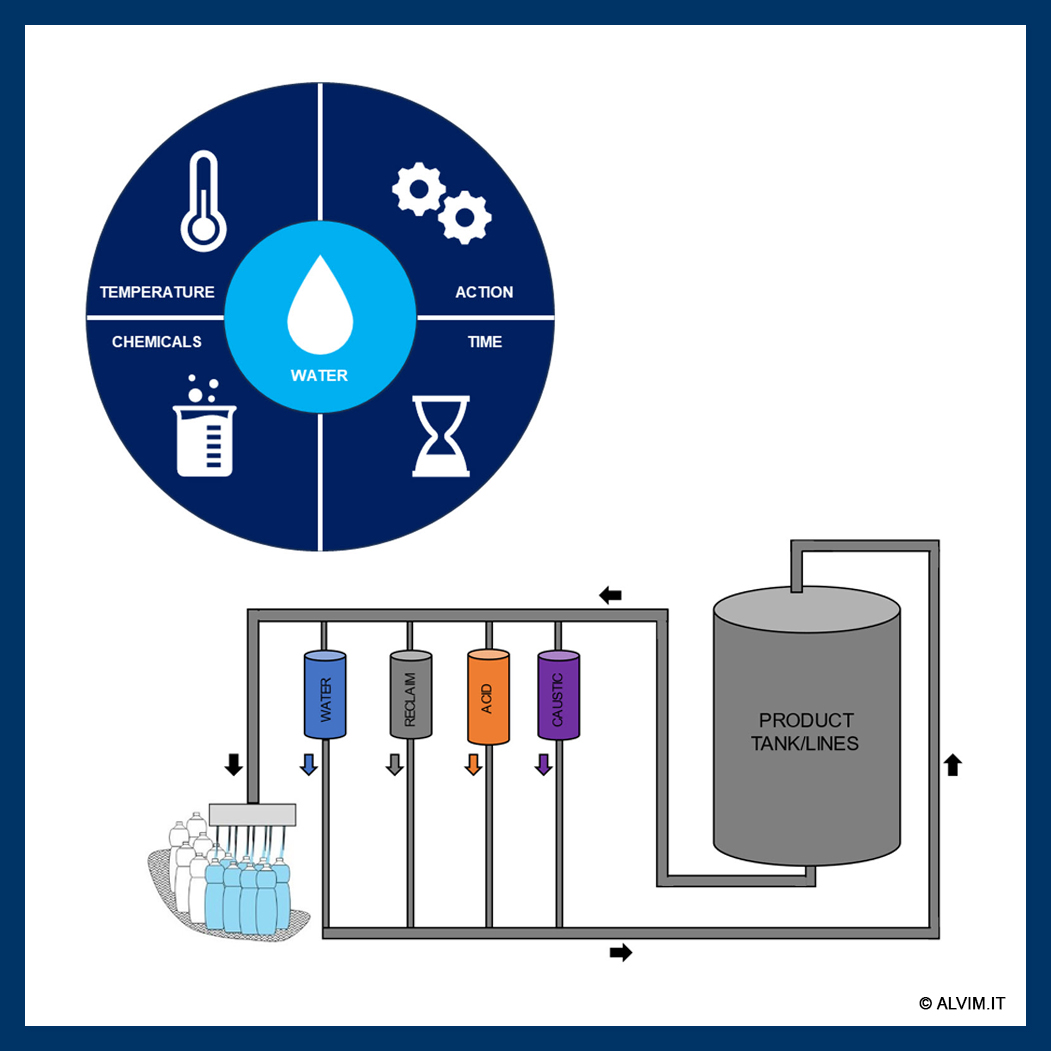
Clean in Place: the quality of the final product in many industries is directly linked to the effectiveness of the cleaning process and, consequently, the presence or absence of microorganisms. One of the most practical and widely used methods for cleaning closed processing systems is Clean in Place (CIP). |
 |
|
 |
|
 |
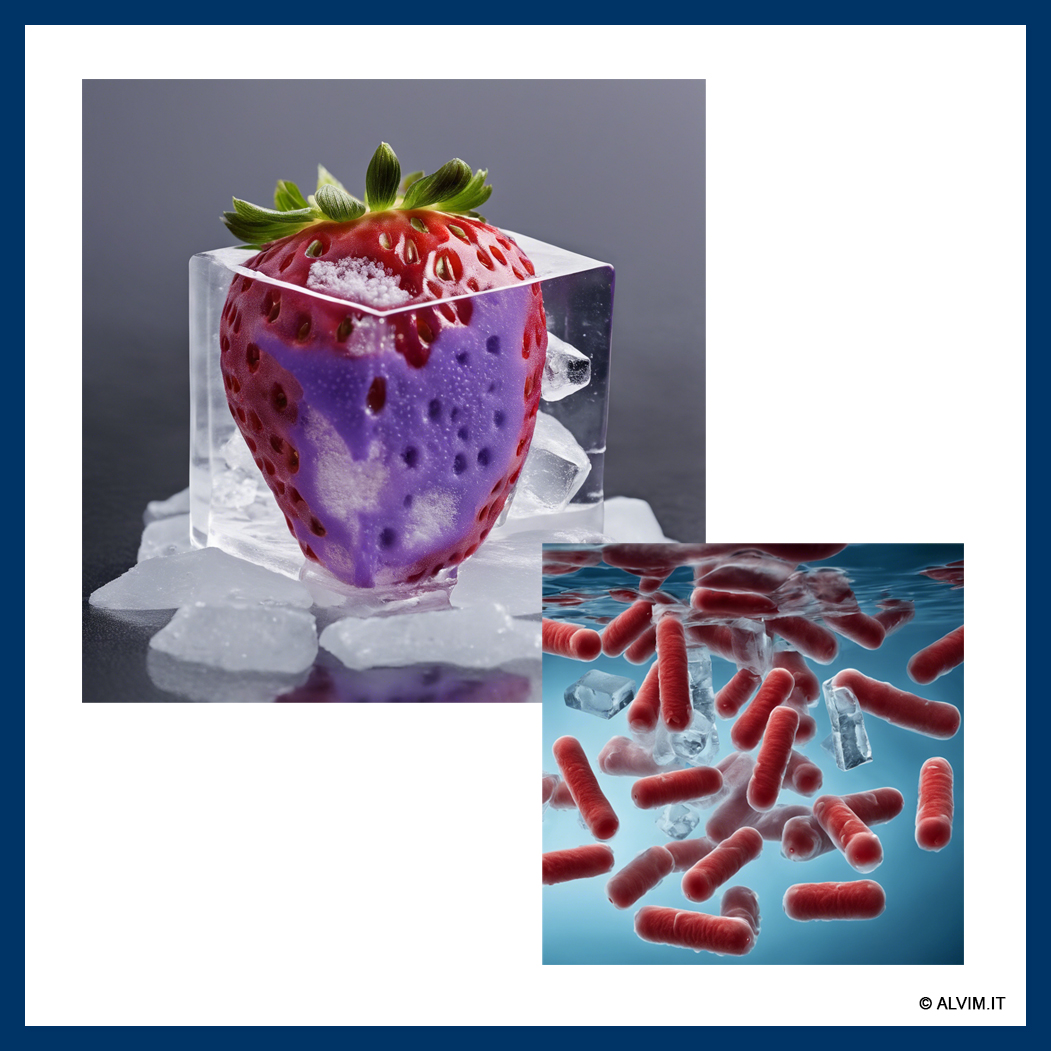
| Frozen food: although the main purpose of freezing is to preserve the quality of food with excellent results, this process also preserves the viability of some pathogenic microorganisms. |
|
HACCP and Biofilm: biofilm monitoring approach is an integral part of a modern process control system known as Hazard Analysis and Critical Control Points (HACCP). This internationally regulated approach, which is based on scientific principles, aims at safeguarding food from biological, chemical and physical hazards. |
|
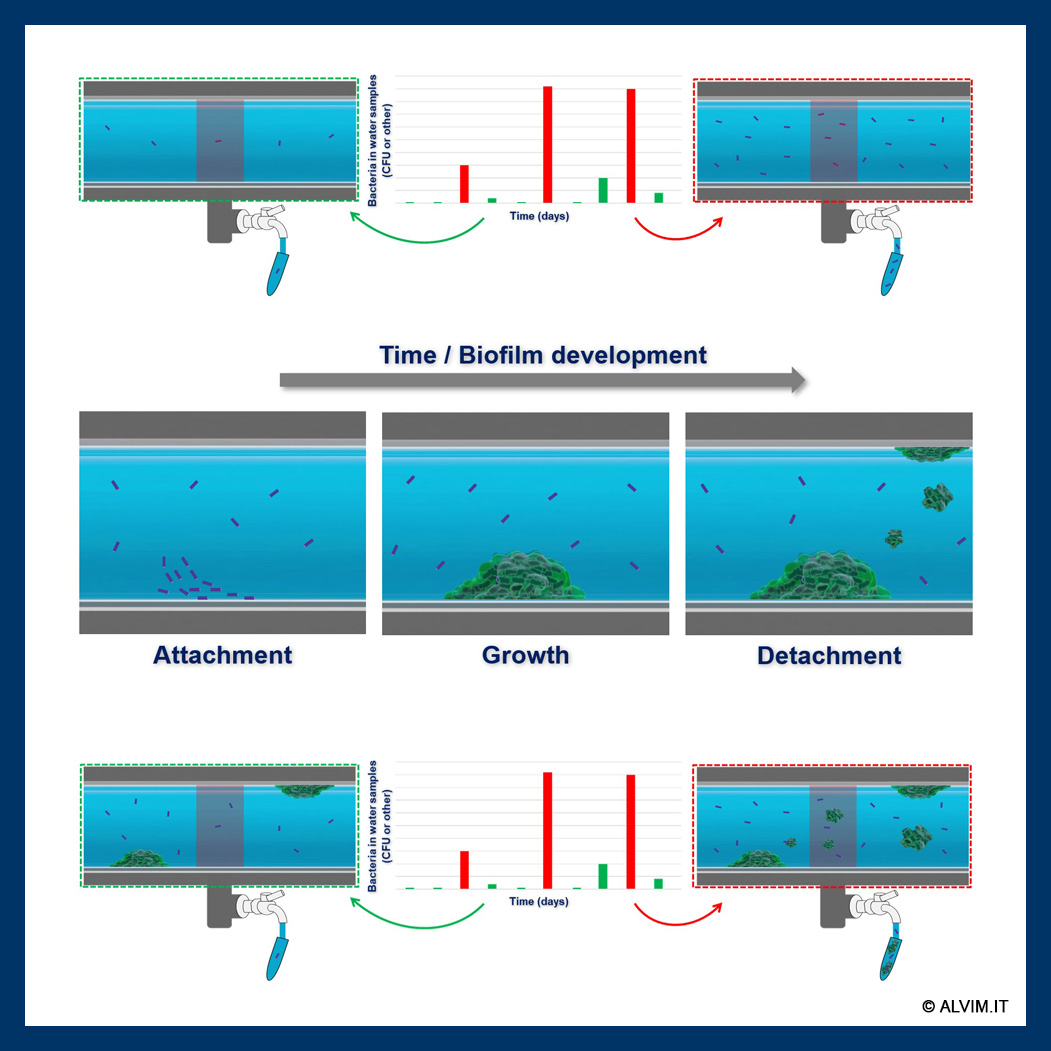
Fluctuations in Bacterial Count: to monitor the bacterial contamination of a process, sampling and laboratory analysis of the liquid represent the most common approach This allows to detect free-floating microorganisms - and it happens quite often to observe large and unexpected fluctuations in the amount of bacteria in the sample. |
 |
|
 |
|
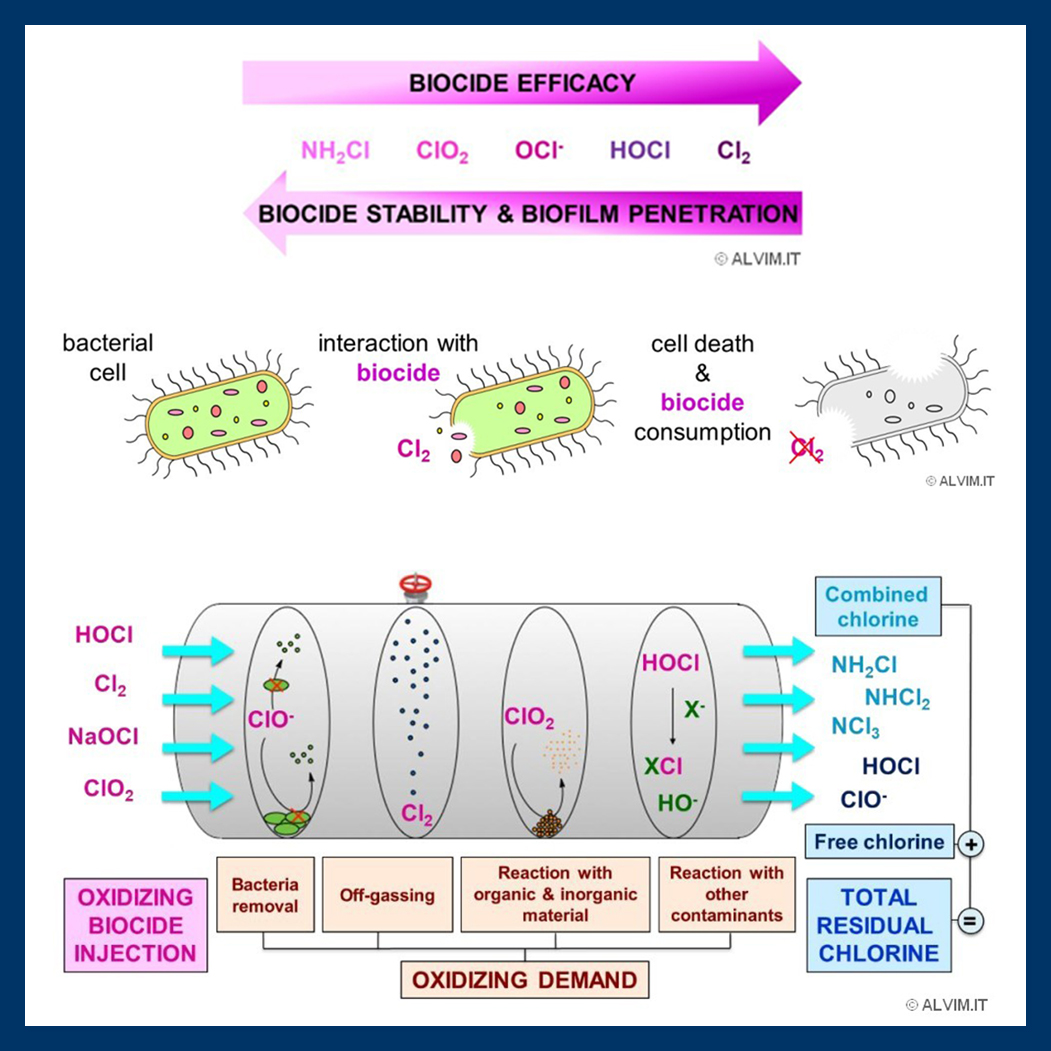 |
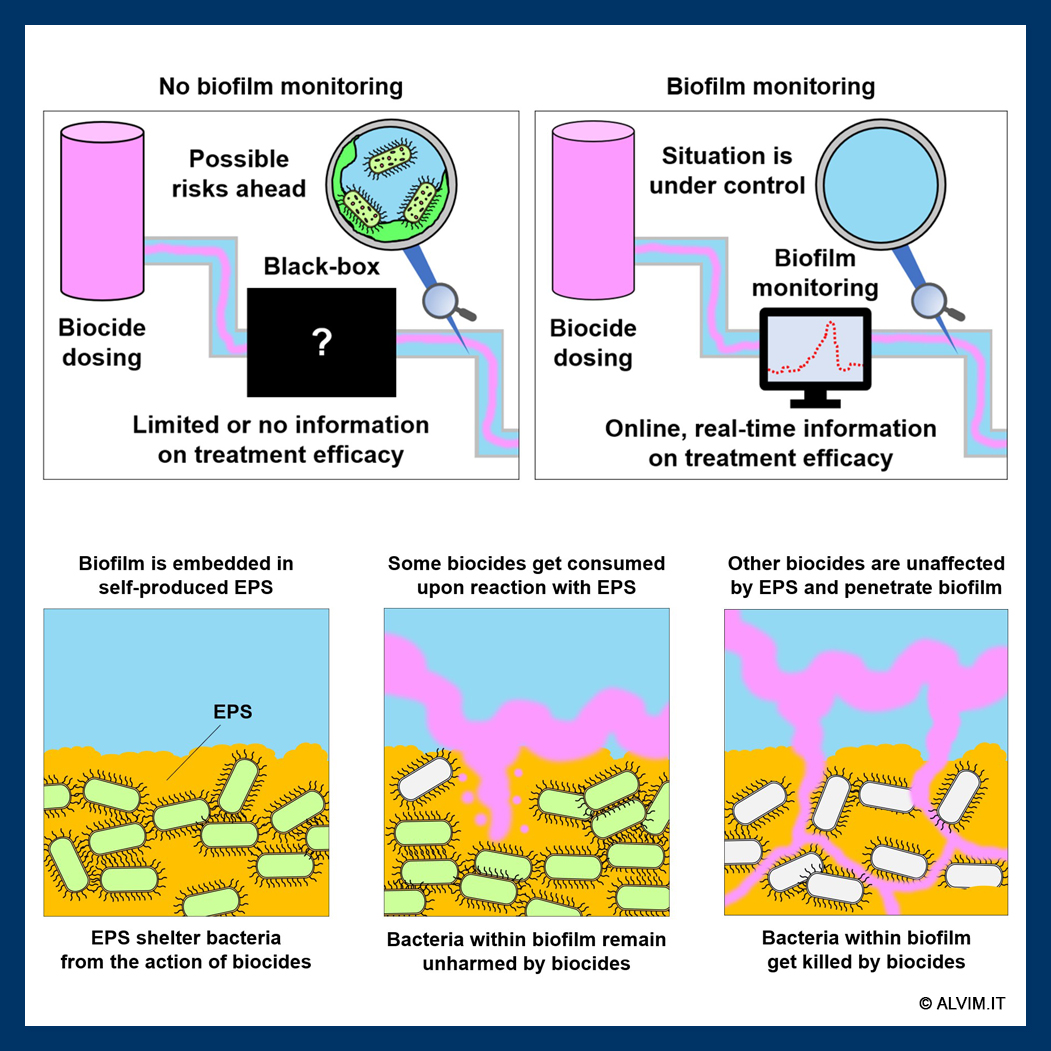
| Biocides: biofilm in water systems causes corrosion, energy loss, and health risks; targeted biocides and continuous monitoring optimize treatment, safety, and efficiency. |
|
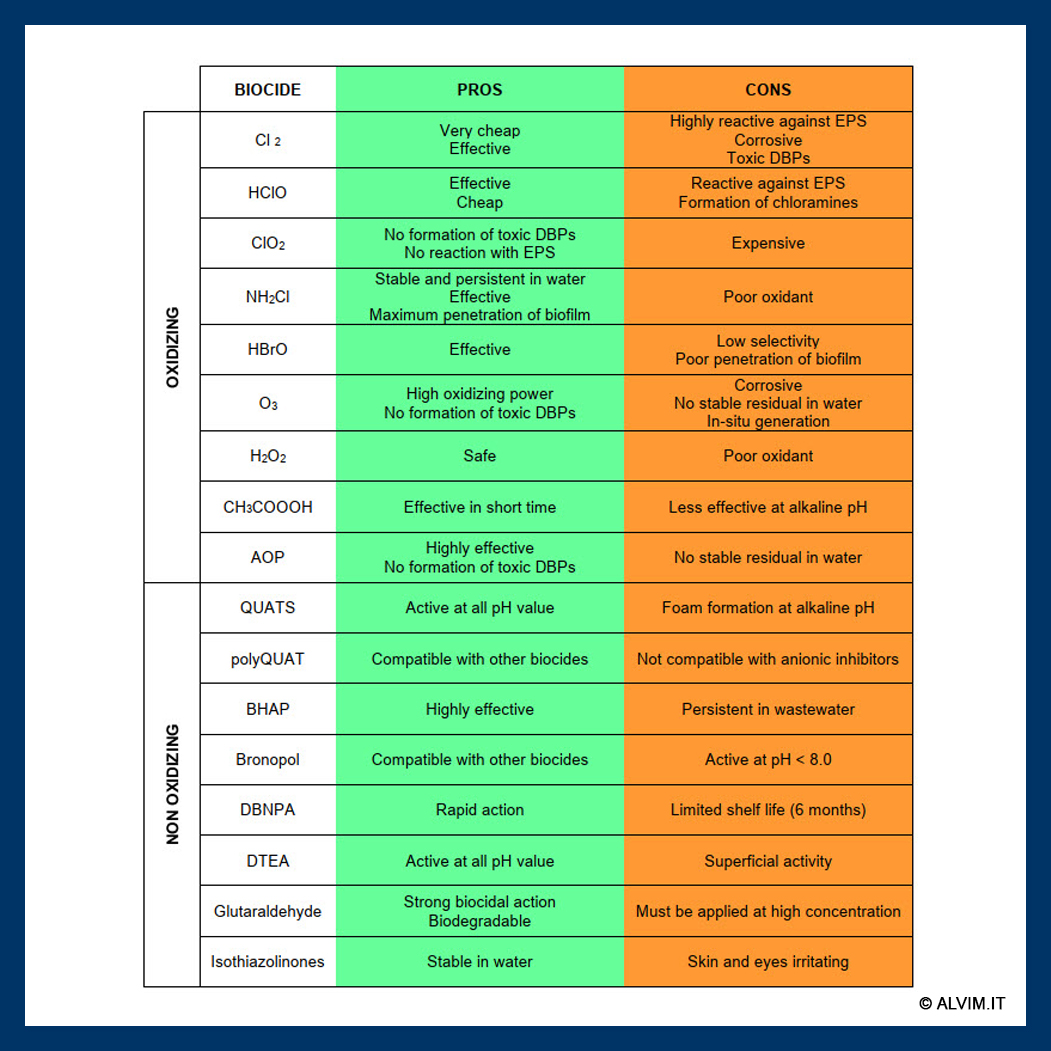
Oxidizing and non-oxidizing biocides: biofilms dominate industrial water systems; dispersants and biocides control EPS and microbes, while monitoring ensures effectiveness and optimized, balanced treatment strategies. |
|
Residual chlorine: residual chlorine is not a reliable indicator of sanitation; it poorly reflects biofilm control, as readings are affected by reactions and interferences. Direct monitoring is essential. |
 |
|
 |
|
 |
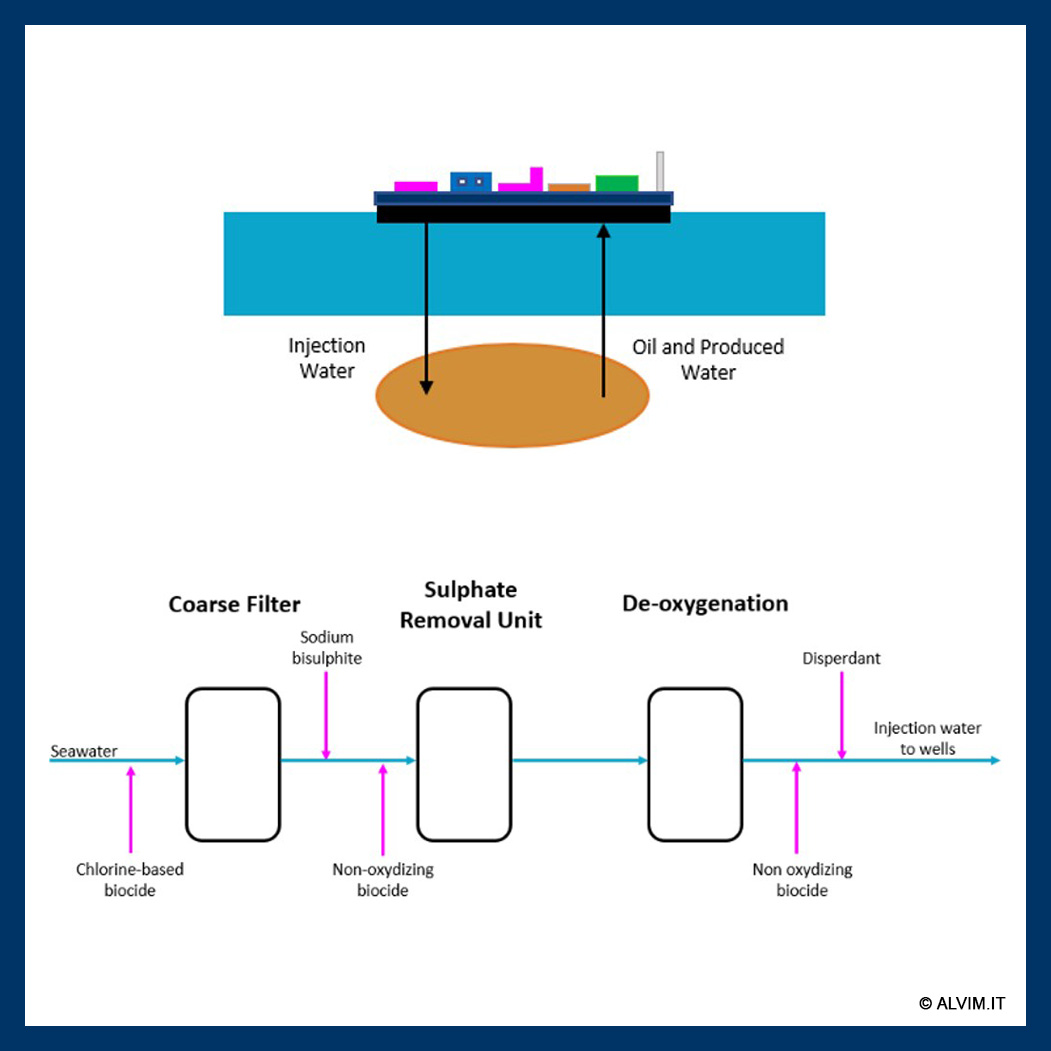
| Biocide optimization in Oil&Gas water treatment: biocide optimization in oil and gas water systems is critical to prevent biofilms and MIC, reduce costs, and improve efficiency through real-time monitoring and targeted dosing. |
|
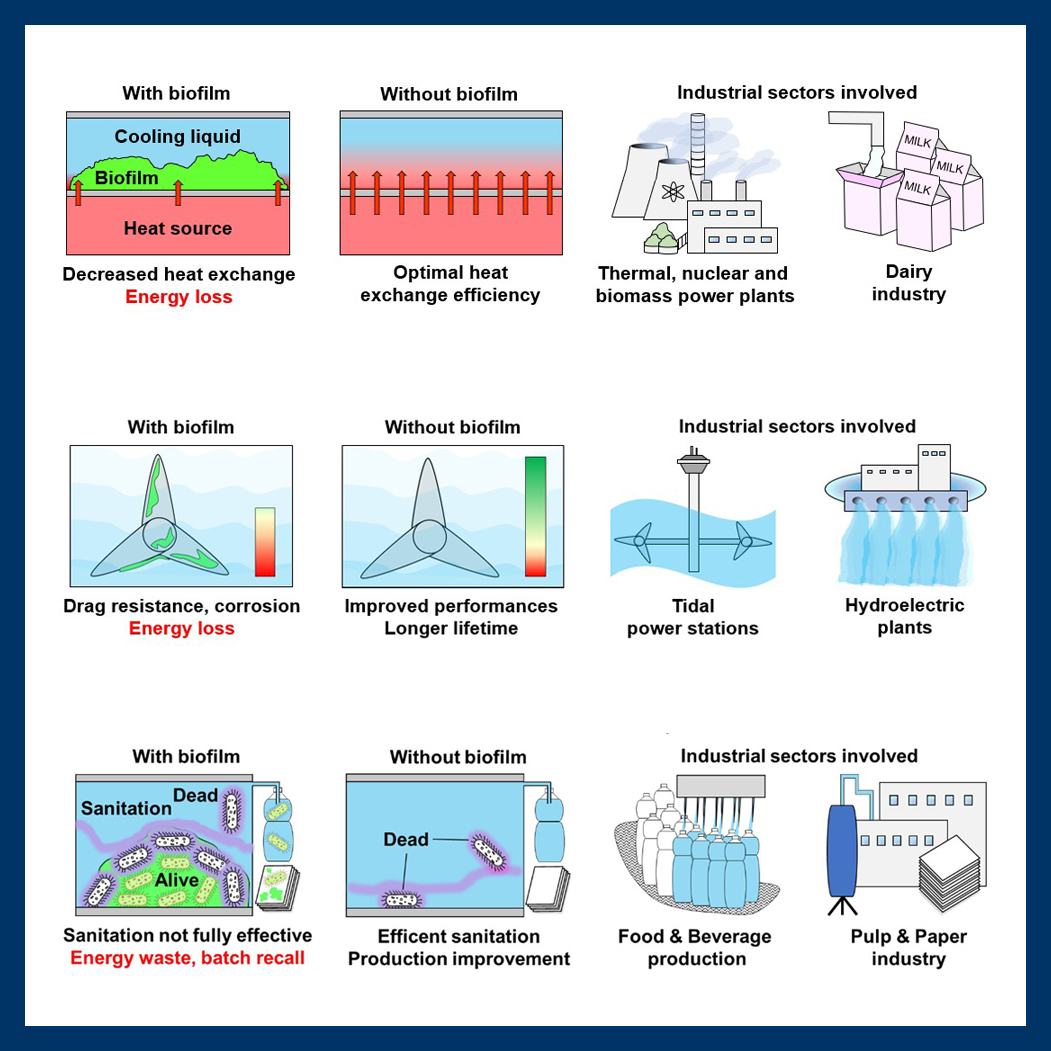
Biofilm & Energy efficiency: the improvement of energy efficiency within the industrial sector is, currently, a hot topic at global level. Unfortunately, the impact of biofilm growth on energy use and efficiency is frequently underestimated. |
|
Safe Water in Smart Cities: both human and environmental health are strongly dependent on the preservation of water. In order to ensure it, monitoring technologies play an important role. Indeed, the application of smart technologies allows to optimize water treatment and to preserve this precious resource. |
 |
|
 |
|
 |
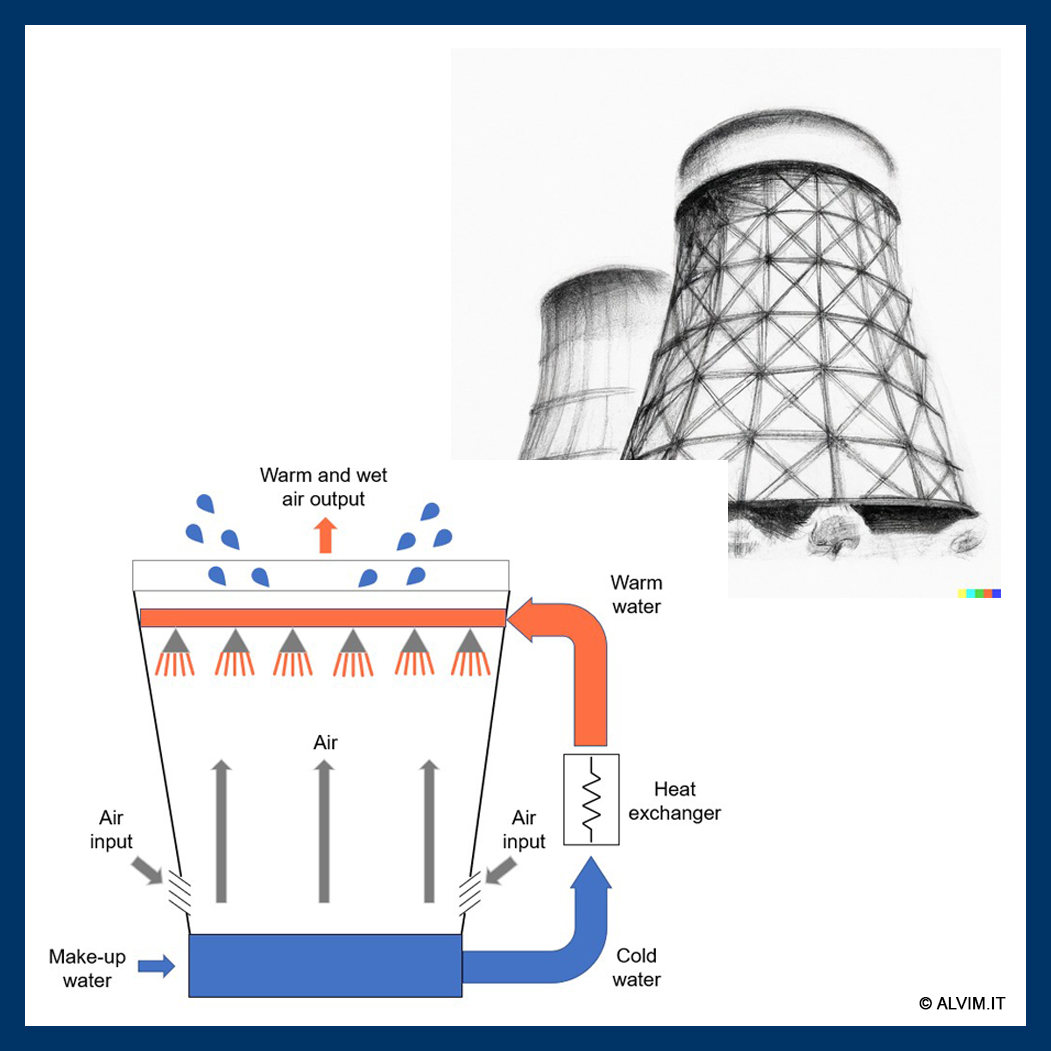
| Cooling towers: although their process is effective in removing heat, it also causes serious sanitation and contamination concerns. Indeed, pathogenic bacteria that survive and proliferate in this environment can easily spread with aerosol, even for kilometers. |
|
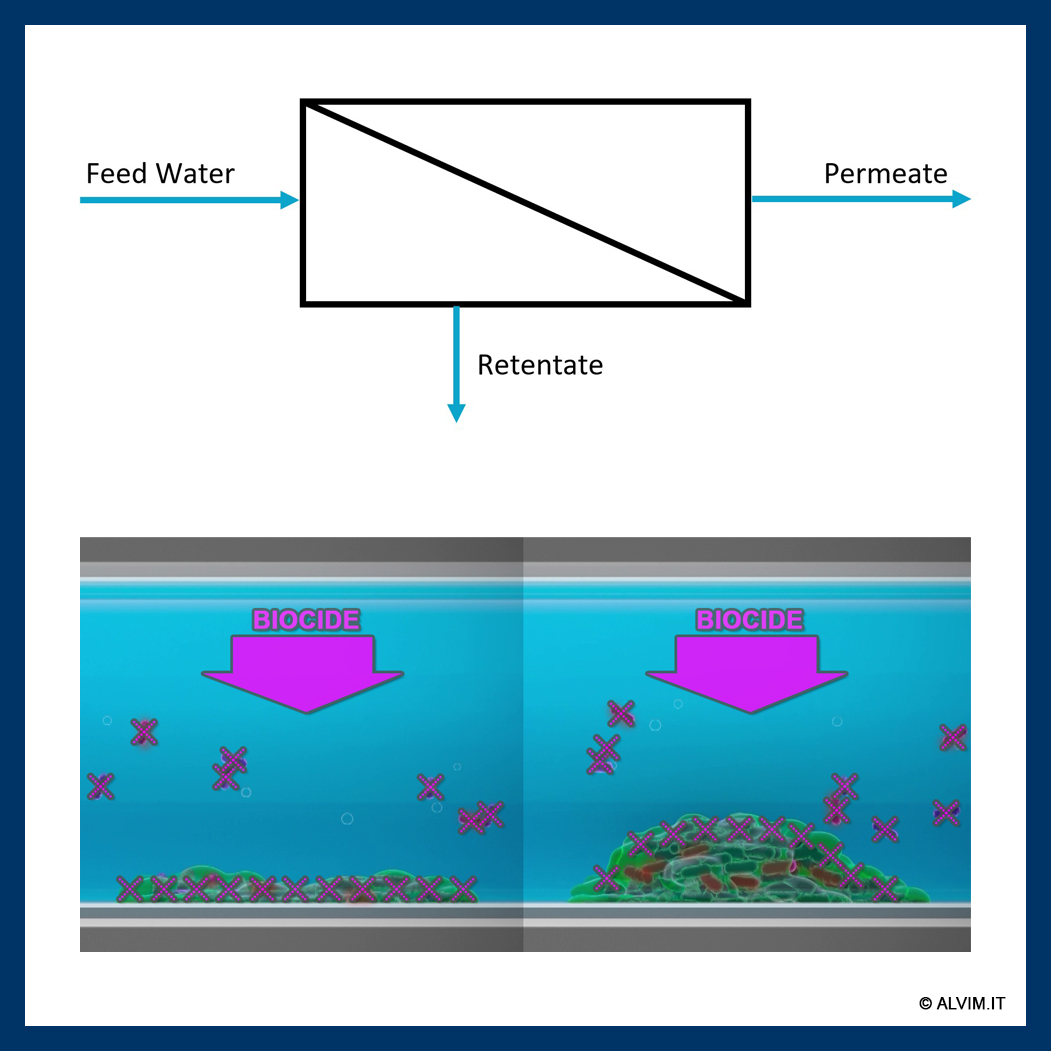
Biofouling in membrane processes: membrane processes are efficient in water treatment but limited by fouling, especially biofouling from microbial biofilms that block pores, reduce flux, and increase costs; direct monitoring is needed for effective control. |
|
Pretreatment in desalination process: desalination has become an essential solution for addressing water scarcity in various regions worldwide. Biofouling can significantly impact the efficiency of this process, by reducing water flow, increasing operational pressure, and elevating energy consumption. |
 |
|
 |
|
 |
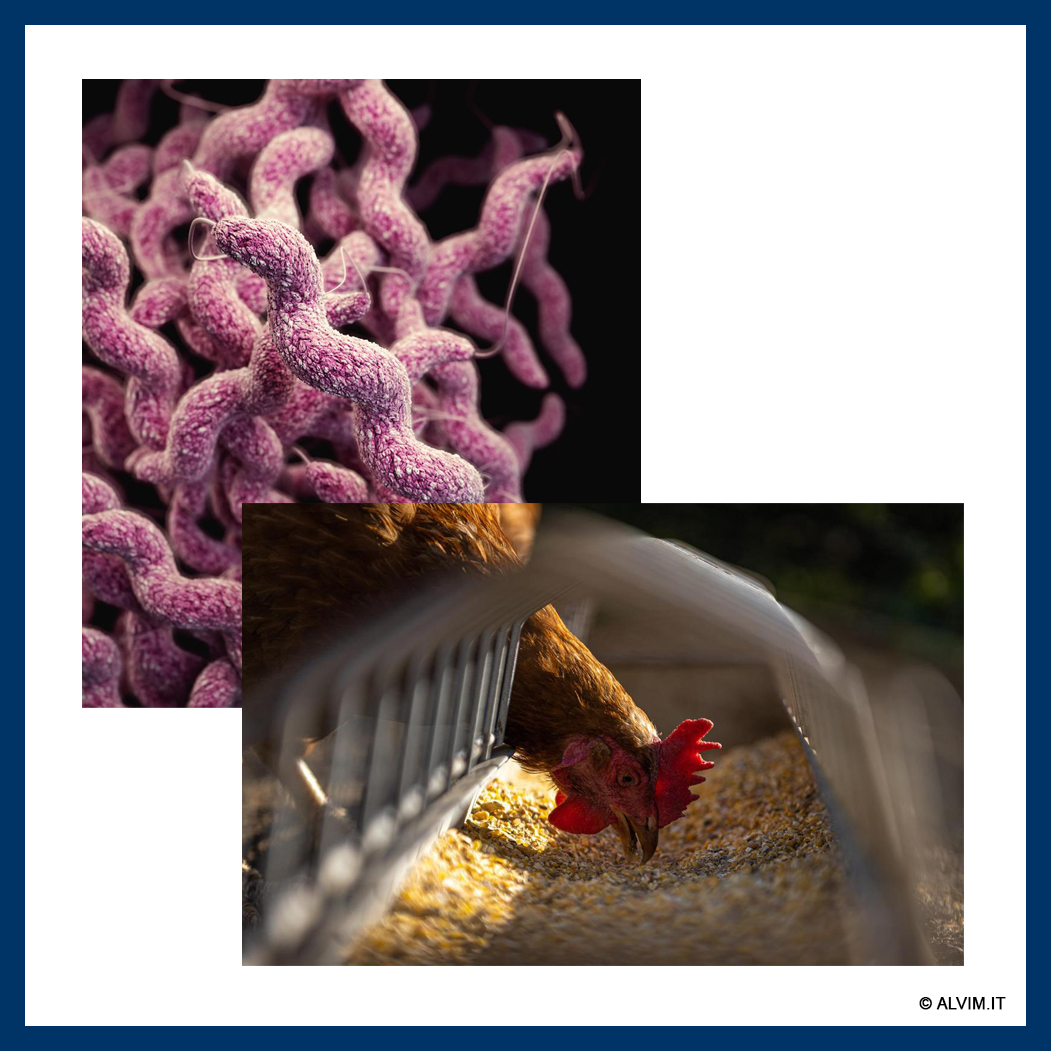
| Poultry Water Treatment: in poultry farms, the presence of bacteria is ubiquitous and this can cause the growth of unhealthy animals, with impact on human health. Maintaining drinking water quality is essential for poultry health and plays a key role to achieve optimal flock performance. |
|
Microbiological control in Beef Supply Chain: microbiological contamination in beef supply chain is a key concern, as it impacts food safety, shelf life, and consumer health. A frequently overlooked factor is water quality, as water used throughout the production process can carry harmful microorganisms and chemical residues. |
|
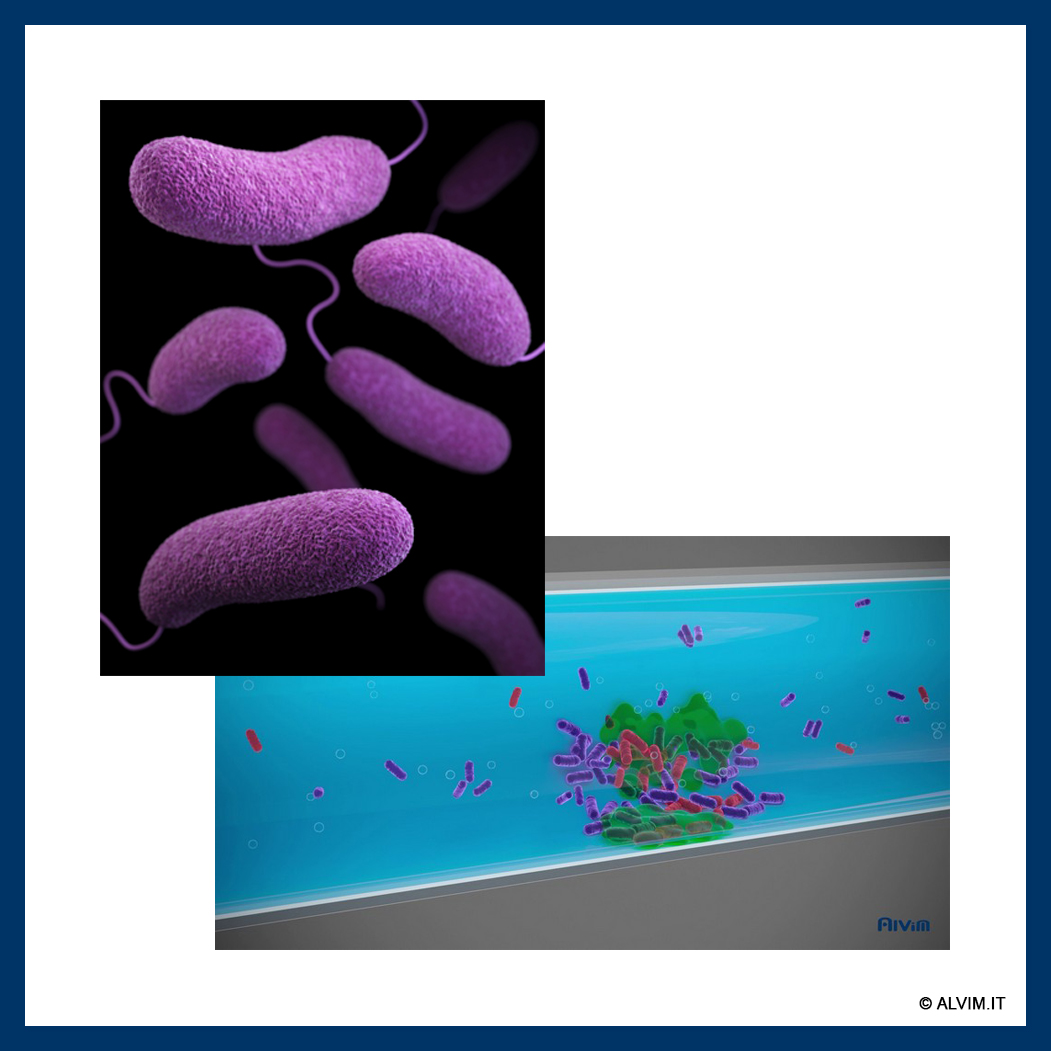
Legionella prevention: preventing Legionella requires monitoring and controlling biofilm in water systems to reduce contamination risks and improve safety. |
 |
|
 |
|
 |
| Drinking water distribution systems: the protection and maintenance of water distribution systems are essential to ensuring high-quality drinking water. Recent data on waterborne disease outbreaks suggest that distribution systems remain a source of contamination that has yet to be fully overcome. |
|
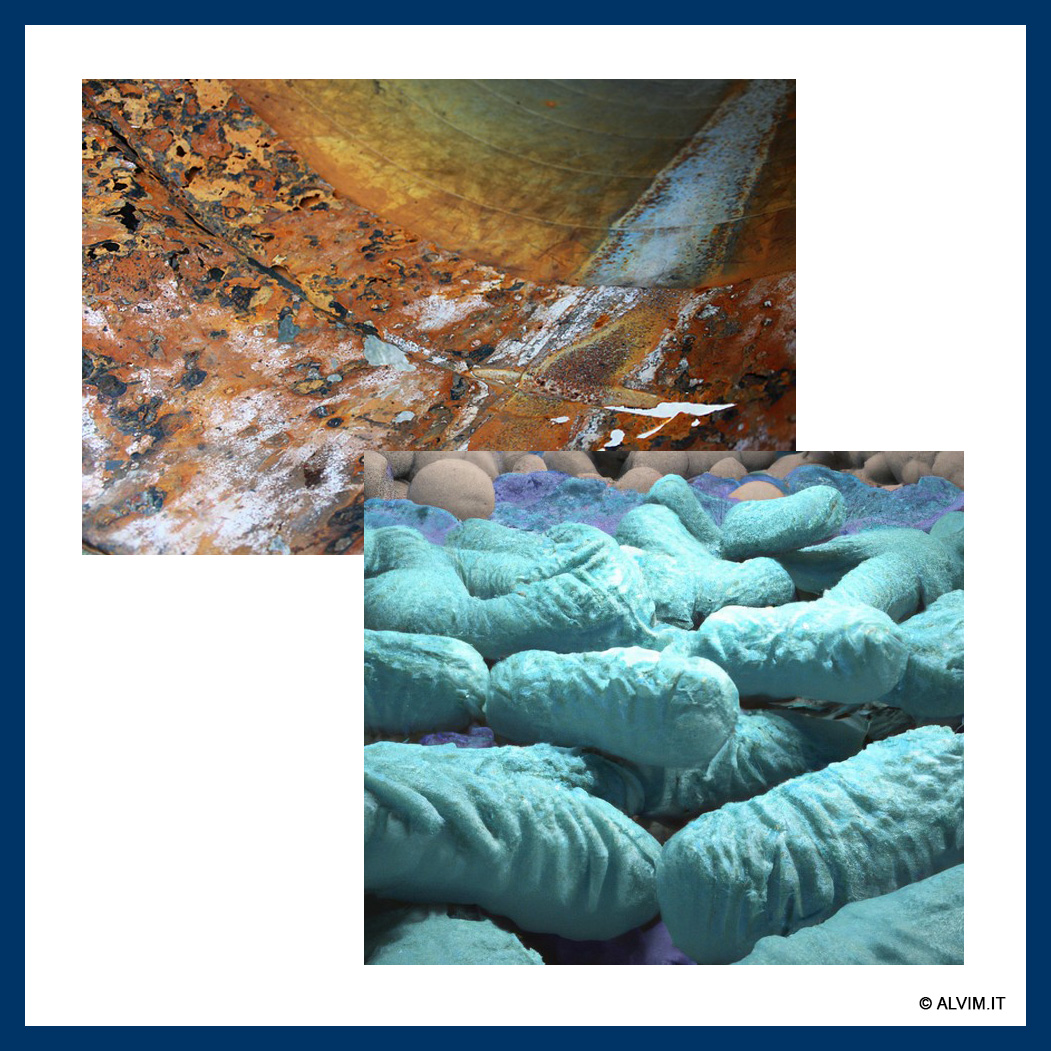
Water management in Steel Mills: steel production relies on closed-loop water systems; biofilms reduce efficiency and increase corrosion. Monitoring and treatment improve sustainability. |
|
Microbiological contamination in paper mills: water management in paper mills represents a critical challenge, requiring a careful balance between productivity, sustainability, and quality of the final product. The progressive reduction of water consumption and the increasing implementation of internal recycling, while improving environmental performance and process efficiency, raise the risk of microbial proliferation and biofilm formation. |
 |
|
 |
|
|
| Water management in Data Centers: AI-driven data centers need advanced water cooling; real-time biofilm monitoring improves efficiency, reduces costs, and ensures reliable thermal performance. |
|
Return On Investment of Biofilm Monitoring: the industry is investing many resources in the optimization of production and processes, also with "Industry 4.0" initiative. For what concerns cleaning and sanitation treatments, biofilm monitoring can greatly increase efficiency, with a fast ROI. |
|
|
